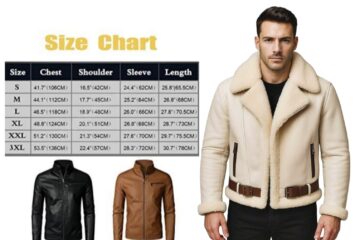
A leather jacket has long been recognized as a symbol of strength, confidence, and timeless style. While trends in fashion continue to change, leather jackets remain a constant because quality and durability are naturally associated with them. When a jacket is well made, it is not only worn but also relied upon for years. In this guide, Leather Jackets Features are explored to help quality be understood clearly and confidently. Each section has been written in a natural, human tone while following SEO and readability best practices, so the information can be absorbed easily without feeling overwhelming.
Why Quality and Durability Matter in Leather Jackets
Quality and durability are often considered the defining elements of a leather jacket. Unlike fast-fashion outerwear, a leather jacket is expected to age gracefully rather than wear out quickly. With proper care, it is often used for decades.
Durability matters because:
- Leather jackets are worn frequently
- They are exposed to weather and movement
- They are expected to maintain shape over time
When quality features are present, comfort is improved, longevity is extended, and overall value is increased.
Feature 1: Premium Leather Quality and Texture
How Leather Quality Is Identified
The quality of leather is usually noticed first through touch and appearance. High-quality leather feels supple, smooth, and substantial rather than stiff or plastic-like. Natural grain patterns are visible, which indicates authenticity.
Quality leather is often identified by:
- A soft yet firm texture
- Natural imperfections rather than uniform surfaces
- A rich smell instead of a chemical odor
When premium leather is used, durability is naturally enhanced, and the jacket develops character over time.
Types of Leather Jacket Material
Understanding Different Leather Options
Different types of leather are used in jacket production, and each offers unique benefits. Knowing these materials helps better decisions be made when selecting a jacket.
Common leather types include:
- Full-grain leather, which is known for strength and longevity
- Top-grain leather, which offers a smoother appearance
- Genuine leather, which is more affordable but less durable
- Suede leather, which provides softness and texture
By understanding material differences, quality expectations can be set realistically, and durability can be better evaluated.
Feature 2: Strong Stitching and Construction
Why Construction Defines Longevity
Stitching quality is often overlooked, yet it plays a major role in durability. Strong, even stitching ensures that the jacket holds its shape and resists tearing.
High-quality construction is recognized when:
- Seams are straight and consistent
- No loose threads are visible
- Stress areas are reinforced
When stitching is done properly, wear and tear are reduced, and the jacket remains functional for longer periods.
Feature 3: Inner Lining and Comfort Design
The Role of Inner Structure
The inner lining of a leather jacket contributes significantly to comfort and insulation. A well-designed lining allows the jacket to be worn for extended periods without discomfort.
Quality linings are usually:
- Breathable and smooth
- Securely stitched
- Designed to support warmth without bulk
When inner construction is thoughtfully designed, both comfort and durability are enhanced.
Are Leather Jackets Good for Winter
Seasonal Performance Explained
Leather jackets are often questioned for winter use. While they may not replace heavy coats in extreme cold, they perform well in mild to moderately cold conditions.
Leather jackets are considered suitable for winter because:
- Leather acts as a natural wind barrier
- Insulated linings provide warmth
- Layering is easily accommodated
When worn with proper layers, leather jackets can be relied upon during winter months.
Feature 4: Hardware Quality and Functional Details
Zippers, Buttons, and Fasteners
Hardware components play a vital role in defining quality. Zippers, snaps, and buttons are used repeatedly, so durability is essential.
High-quality hardware is identified by
- Smooth zipper movement
- Firm snaps and closures
- Rust-resistant finishes
When strong hardware is used, daily wear becomes effortless, and the jacket’s lifespan is extended.
Feature 5: Fit, Cut, and Structural Balance
How Fit Impacts Durability
Fit is not only about appearance but also about function. A poorly fitted jacket experiences unnecessary stress, which can reduce durability.
A well-balanced fit ensures:
- Natural movement without strain
- Even weight distribution
- Long-term comfort
When the fit is designed correctly, the jacket maintains its structure and remains comfortable over time.
Women Leather Jackets Features
Design Elements Tailored for Women
Women’s leather jackets are designed with specific proportions and style considerations. Features are adjusted to provide comfort, elegance, and durability.
Common features include:
- Shaped waists for better fit
- Lightweight yet durable leather
- Softer linings for comfort
When these features are included, both style and practicality are balanced effectively.
Men’s Leather Jackets Features
Strength and Structure in Design
Men’s leather jackets often focus on structure and rugged durability. Heavier leather and reinforced panels are commonly used.
Key features often include:
- Broader shoulder construction
- Thicker leather for durability
- Practical pocket placement
These elements contribute to long-lasting wear and a strong visual presence.
Feature 6: Finishing, Treatment, and Aging Process
Why Finishing Matters
The finishing process protects leather from moisture, stains, and cracking. Quality finishing enhances durability while preserving natural texture.
Protective treatments are applied so that
- Leather resists drying
- Color remains consistent
- Aging appears natural and appealing
Over time, a well-finished jacket develops a unique patina rather than signs of damage.
What Is a Leather Jacket Insect
Understanding the Term Clearly
The term “leather jacket insect” refers to the larval stage of crane flies, commonly found in lawns rather than clothing. These larvae are known as leatherjackets due to their tough skin.
It is important to note:
- They do not damage leather jackets
- The term is unrelated to fashion
- Confusion often arises from naming
Understanding this distinction helps avoid unnecessary concerns about leather care.
What Are Leather Jackets in the Garden
Clarifying the Garden Reference
In gardening, “leather jackets” describe crane fly larvae that feed on grass roots. This term has no connection to leather apparel.
This confusion exists because:
- The larvae have tough outer skins
- The same name is used in different contexts
By understanding this, clarity is maintained, and leather jackets as clothing are not misunderstood.
How Brand Craftsmanship Influences Quality
Craftsmanship is a defining factor in durability. When attention is given to detail, the difference is easily felt and seen. vadeblanc is often recognized for focusing on material selection, precise construction, and timeless design rather than short-term trends.
When craftsmanship is prioritized, quality becomes consistent, and long-term satisfaction is achieved.
How Quality Leather Jackets Compare to Other Outerwear
When compared with fabric or synthetic jackets, leather jackets offer unique advantages. Fabric jackets may feel lighter, but durability is often reduced. Synthetic materials may lower cost, yet longevity is compromised.
Leather jackets stand out because:
- Natural materials are used
- Long-term wear is supported
- Character develops over time
These qualities explain their continued popularity.
How to Identify a High-Quality Leather Jacket Before Buying
Several indicators help quality be identified before purchase:
- Leather texture should feel natural
- Stitching should be clean and strong
- Hardware should feel solid
- Fit should allow natural movement
By checking these details, informed decisions are made, and disappointment is avoided.
Final Thoughts
A leather jacket is more than a fashion item. It is a long-term companion that reflects personal style and confidence. When quality features are understood, better choices are made, and value is recognized beyond appearance. From leather material and construction to fit and finishing, each element plays a role in defining durability.
By focusing on these features, a leather jacket can be enjoyed for years, aging gracefully while maintaining comfort and strength.
Frequently Asked Questions
1. How long does a quality leather jacket last?
With proper care, a quality leather jacket can last for decades.
2. Is real leather better than synthetic leather?
Real leather is generally preferred for durability and natural aging.
3. Can leather jackets be worn daily?
Yes, leather jackets are designed for frequent use when properly made.
4. Do leather jackets stretch over time?
Leather may soften slightly but does not stretch significantly if fitted well.
5. Are leather jackets heavy to wear?
Weight varies by material, but quality jackets balance strength and comfort.
6. How should a leather jacket be stored?
It should be hung on a wide hanger in a cool, dry place.
7. Can leather jackets handle rain?
Light rain is manageable, but prolonged exposure should be avoided.
8. Are leather jackets suitable for all ages?
Leather jackets can be styled confidently at any age.
9. What lining is best for comfort?
Breathable and soft linings provide the best comfort for daily wear.
10. Is a leather jacket worth the investment?
Yes, when quality features are present, long-term value is delivered.