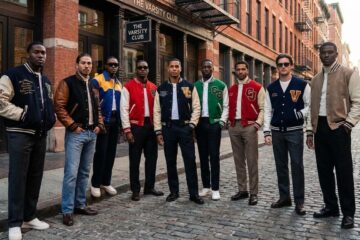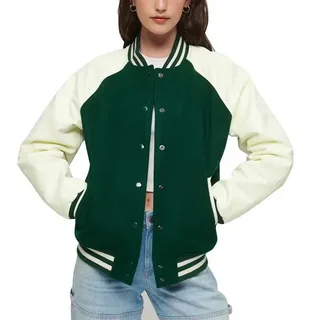
The iconic baseball jacket Varsity Jacket, a symbol of collegiate pride and timeless style, is undergoing a remarkable transformation. As global consciousness shifts towards sustainability, the fashion industry is responding with innovative materials and ethical production methods. This movement has given rise to the eco-friendly varsity jacket, presenting consumers with a compelling choice: recycled wool or vegan leather. This comprehensive guide will delve into the nuances of these sustainable alternatives, exploring their environmental impact, aesthetic appeal, durability, and the evolving landscape of ethical fashion. We will examine how these materials are being integrated into designs for both men and women, catering to a diverse audience that values both style and responsibility.
The Enduring Appeal of the Varsity Jacket: A Legacy Reimagined
The varsity jacket, with its distinctive silhouette and often personalized patches, has long transcended its athletic origins to become a fashion staple. Its journey from sports fields to high fashion runways speaks volumes about its versatility and enduring charm. Traditionally crafted from wool bodies and leather sleeves, it has always been associated with quality and longevity. However, the environmental footprint of conventional materials, particularly virgin wool and animal leather, has prompted a critical re-evaluation within the industry. The demand for a more responsible approach has paved the way for exciting innovations, ensuring that the legacy of this beloved garment can continue in a way that aligns with contemporary values.
A Brief History: From Athletic Wear to Fashion Icon
Originally known as letterman jackets, these garments were first introduced by Harvard University in 1865 for their baseball team. The concept quickly spread to other institutions, becoming a prestigious symbol of achievement in sports and academia. The heavy wool body provided warmth, while the leather sleeves offered durability, a practical combination for athletes. Over time, the design evolved, incorporating various embellishments and color schemes. By the mid-20th century, the varsity jacket had firmly cemented its place in popular culture, admired by rebels, musicians, and fashion enthusiasts alike. Its ability to convey a sense of belonging, accomplishment, and effortless cool has contributed to its sustained popularity, making it a truly timeless piece.
The Modern Consumer: Seeking Style with a Conscience
Today’s consumer is increasingly discerning, not just about aesthetics but also about ethics. There is a growing awareness of the environmental and social impacts of fast fashion, leading to a greater demand for transparent and sustainable alternatives. This shift is particularly evident in the market for enduring pieces like the varsity jacket. Consumers are actively seeking out brands that prioritize sustainability, offer durable products, and contribute positively to society. This demand is not merely a trend but a fundamental change in purchasing habits, driven by a desire to make responsible choices without compromising on style. The modern baseball jacket varsity jacket wearer is someone who appreciates craftsmanship and heritage but also insists on a product that aligns with their values.
Recycled Wool: A Circular Solution for Classic Comfort
Recycled wool represents a significant leap forward in sustainable textile production. It offers the familiar warmth, breathability, and luxurious feel of traditional wool but with a dramatically reduced environmental impact. The process of recycling wool diverts textile waste from landfills, conserves natural resources, and minimizes the energy and water typically required for virgin wool production. This material is particularly appealing for those who cherish the classic feel of a varsity jacket while also striving for a more circular economy.
The Process of Wool Recycling: From Scraps to Sophistication
The journey of recycled wool begins with post-industrial or post-consumer wool waste. This can include discarded garments, textile scraps from manufacturing, or even old blankets. The collected wool is meticulously sorted by color and composition, a crucial step that reduces the need for re-dyeing, further conserving resources. Once sorted, the wool is shredded back into fibers, a process that requires specialized machinery. These fibers are then cleaned, carded, and spun into new yarn. Depending on the desired texture and strength, recycled wool can be blended with other fibers, such as recycled polyester or organic cotton, to enhance its performance and durability. The resulting fabric often retains much of the original wool’s desirable properties, making it an excellent choice for high-quality garments like varsity jackets.
Environmental Advantages of Recycled Wool
The benefits of recycled wool are numerous and impactful:
- Waste Reduction: A primary advantage is the significant reduction of textile waste sent to landfills, mitigating pollution and preserving landfill space.
- Resource Conservation: By utilizing existing materials, the demand for virgin wool is decreased, leading to less land degradation associated with sheep farming and reduced water consumption for animal husbandry.
- Energy Savings: The recycling process generally requires less energy compared to producing new wool from scratch, contributing to a lower carbon footprint.
- Reduced Chemical Use: As mentioned, sorting by color minimizes the need for re-dyeing, consequently reducing the use of harmful dyes and chemicals.
Aesthetic and Performance Qualities in Recycled Wool Varsity Jackets
Recycled wool offers a familiar aesthetic and performance profile that aligns perfectly with the traditional varsity jacket. It provides excellent insulation, making it ideal for cooler climates. The fabric is naturally breathable and moisture-wicking, ensuring comfort. While the exact hand-feel can vary depending on the blend and processing, modern recycled wool fabrics are often indistinguishable from their virgin counterparts in terms of softness and drape. For a varsity jacket men’s vintage aesthetic, recycled wool perfectly captures the authentic texture and warmth associated with classic designs, allowing for a nostalgic yet responsible choice. These jackets can maintain the structured look desired for a classic varsity jacket while embracing a contemporary eco-conscious ethos.
Vegan Leather: Cruelty-Free Innovation for a Modern Edge
Vegan leather, also known as plant-based leather or synthetic leather, offers a compelling alternative to animal leather, appealing to consumers who prioritize animal welfare and seek innovative, cruelty-free materials. The advancements in vegan leather technology have led to a wide array of options, from traditional PU and PVC-based synthetics to groundbreaking materials derived from plants like pineapples, mushrooms, apples, and cacti. These materials allow for a modern and sleek aesthetic for a baseball jacket varsity jacket men’s, providing a distinct contrast to the classic wool body.
Exploring the Diverse World of Vegan Leather Materials
The term “vegan leather” encompasses a broad spectrum of materials, each with its own characteristics and environmental profile:
- PU (Polyurethane) and PVC (Polyvinyl Chloride): These are traditional synthetic leathers. While they avoid animal products, their production can involve fossil fuels and potentially harmful chemicals. However, advancements are being made in developing more eco-friendly versions, including those made with recycled content or water-based PU.
- Pinatex (Pineapple Leaf Fiber): Made from the cellulose fibers extracted from pineapple leaves, Pinatex is a natural and sustainable alternative. It has a distinctive textured appearance and is often used for accessories and footwear.
- Mylo (Mushroom Mycelium): Developed from the root structure of mushrooms, Mylo boasts a remarkable resemblance to animal leather in terms of look and feel. It is grown in laboratories, requiring minimal resources, and offers a highly sustainable option.
- AppleSkin (Apple Waste): This innovative material utilizes pomace (pulp and fibers) leftover from the apple juice industry. It offers a smooth, durable finish and effectively upcycles a waste product.
- **Cactus Leather (Nopal Cactus): Derived from the Nopal cactus, this material is celebrated for its soft texture, breathability, and impressive durability. Cacti require minimal water and thrive in harsh conditions, making this a highly sustainable source.
Each of these vegan leather types brings unique qualities to the table, allowing designers to create diverse styles of varsity jackets that cater to various preferences.
Environmental Considerations of Vegan Leather
The environmental impact of vegan leather varies significantly depending on the material:
- Resource Efficiency: Plant-based leathers often utilize waste products or rapidly renewable resources, reducing the demand for new raw materials and minimizing land use compared to livestock farming.
- Reduced Water Usage: Many plant-based leathers require considerably less water in their production compared to traditional leather tanning.
- Chemical Footprint: While some synthetic leathers can involve chemicals, advancements are being made to reduce or eliminate harmful substances, with plant-based options generally having a lower chemical footprint.
- Biodegradability: The biodegradability of vegan leather is a key area of development. Many plant-based options are designed to be more biodegradable or compostable at the end of their life cycle, addressing concerns about plastic waste associated with traditional synthetics.
Aesthetic and Performance Qualities in Vegan Leather Varsity Jackets
Vegan leather offers a sleek, modern aesthetic that is often desired for contemporary varsity jacket designs. It can be manufactured to mimic various textures, from smooth and glossy to subtly grained, providing a wide range of stylistic possibilities. In terms of performance, high-quality vegan leathers are durable, water-resistant, and relatively easy to maintain. They can hold their shape well, contributing to a sharp, tailored look. For a varsity jacket men’s who wants a custom, personalized touch, vegan leather offers an excellent canvas for embroidery, patches, and other detailing, maintaining a sophisticated appearance while adhering to ethical principles. The versatility of vegan leather allows for bold color choices and innovative finishes, making it a favorite for those seeking a cutting-edge look.
Recycled Wool vs. Vegan Leather: A Comparative Analysis
When choosing between recycled wool and vegan leather for an eco-friendly varsity jacket, several factors come into play. Both materials offer distinct advantages and appeal to different priorities, but their ultimate sustainability depends on the specific production methods and supply chains involved. Understanding these differences is key to making an informed decision.
Environmental Impact: A Deeper Dive
- Recycled Wool: While undeniably better than virgin wool, the recycling process itself still requires energy. The durability of the recycled fibers can sometimes be slightly reduced compared to virgin wool, potentially affecting the garment’s longevity. However, its natural biodegradability at the end of its life cycle is a significant advantage, reducing long-term waste.
- Vegan Leather: Plant-based leathers generally have a lower carbon footprint and reduced water usage compared to animal leather. Their environmental impact is largely determined by the source material and manufacturing processes. For example, materials like Mylo and cactus leather stand out for their minimal resource consumption and innovative cultivation methods. The biodegradability of some plant-based leathers is a major positive, addressing concerns about microplastic pollution. However, traditional PU/PVC leathers, while avoiding animal cruelty, still present challenges regarding fossil fuel dependence and end-of-life disposal if not recycled properly.
Durability and Longevity
- Recycled Wool: Known for its inherent strength and resilience, wool garments, when properly cared for, can last for many years. Recycled wool, depending on the fiber length and blend, can maintain much of this durability. Its natural resistance to wrinkles and odors also contributes to a longer lifespan, reducing the need for frequent washing.
- Vegan Leather: The durability of vegan leather has significantly improved with technological advancements. High-quality plant-based leathers, such as those made from cactus or mycelium, are designed to be highly resistant to abrasions, tears, and moisture. They can offer comparable longevity to animal leather when properly cared for. Traditional synthetic leathers can also be very durable, though their aesthetic might degrade differently over time compared to natural fibers.
Aesthetic and Feel: Personal Preference
- Recycled Wool: Offers a classic, soft, and warm hand-feel. It provides a more traditional, academic look, often associated with a sense of heritage and comfort. The texture is naturally varied and rich, offering a timeless appeal. It’s often chosen for a more traditional varsity jacket men’s vintage feel.
- Vegan Leather: Provides a sleeker, often more modern look. It can be engineered to achieve various finishes, from smooth and refined to textured and edgy. The feel can range from soft and supple to firm and structured, depending on the material. It’s often chosen for a more contemporary varsity jacket men’s custom look, allowing for unique artistic expression.
Maintenance and Care
- Recycled Wool: Typically requires gentle care. Dry cleaning is often recommended to maintain its shape and texture. Spot cleaning can be effective for minor spills. Proper storage helps prevent moth damage.
- Vegan Leather: Generally easier to clean and maintain. Most vegan leathers can be wiped clean with a damp cloth. They are often water-resistant, making them suitable for various weather conditions. Specific care instructions will vary depending on the type of vegan leather.
Designing the Future: Eco-Friendly Varsity Jackets for All
The rise of eco-friendly materials is not just about environmental responsibility; it’s also about expanding creative possibilities. Designers are embracing recycled wool and vegan leather to craft varsity jackets that cater to a diverse range of styles and preferences, ensuring that everyone can find a sustainable option that speaks to their aesthetic. This includes innovative approaches to women baseball jacket varsity jacket designs, moving beyond traditional gendered styles.
Varsity Jacket Mens Custom: Tailoring Sustainability
For men seeking a personalized touch, the custom eco-friendly varsity jacket offers an exciting avenue. Recycled wool bodies can be paired with vegan leather sleeves in contrasting colors or textures, allowing for unique combinations. Personalization extends to embroidery, patches, and custom linings, all while adhering to sustainable principles. The availability of high-quality recycled wool and diverse vegan leathers means that a custom varsity jacket men’s can be both an expression of individual style and a commitment to ethical consumption. The possibilities for customization are vast, from choosing specific colors and patterns to incorporating meaningful emblems, all crafted with materials that minimize environmental impact.
Women Baseball Jacket Varsity Jacket: Blending Comfort and Style
The women’s market for varsity jackets is experiencing a similar evolution. Designers are creating styles that move beyond oversized, masculine cuts, offering more tailored and flattering silhouettes. A women baseball jacket varsity jacket made from recycled wool can provide warmth and a classic aesthetic, while vegan leather accents can add a touch of modern sophistication. The focus is on versatility, with jackets that can be dressed up or down, suitable for various occasions. From cropped versions to more elongated styles, eco-friendly materials allow for a broader range of designs that empower women to embrace this iconic garment with confidence and a clear conscience. The tactile nature of recycled wool provides a cozy feel, while vegan leather can introduce a sleek, contemporary edge, offering something for every taste.
The Growing Accessibility: “Varsity Jacket Near Me”
As the demand for sustainable fashion grows, so does the availability of eco-friendly varsity jackets. Consumers are increasingly searching for “varsity jacket near me” with an emphasis on local or accessible sustainable options. Many brands, including vadeblanc, are making concerted efforts to integrate these materials into their collections, offering more choices in physical stores and online. The increasing awareness and production scale are also helping to make these sustainable options more competitive in terms of pricing, bringing eco-conscious fashion within reach for a broader audience. The ease of access to these responsibly made garments signifies a positive shift in the industry, making sustainable choices convenient and desirable.
Final Thoughts: The Future is Sustainable and Stylish
The emergence of eco-friendly varsity jackets crafted from recycled wool and vegan leather marks a significant milestone in the journey towards a more sustainable fashion industry. These innovative materials demonstrate that style and ethics do not have to be mutually exclusive. By choosing a varsity jacket made from recycled wool, consumers embrace classic comfort and contribute to a circular economy. Opting for vegan leather supports cruelty-free innovation and a modern aesthetic. Both options represent a conscious decision to reduce environmental impact and promote ethical production practices.
The ongoing advancements in textile technology promise even more exciting developments in sustainable materials, pushing the boundaries of what is possible in fashion. As consumers, our choices wield immense power, driving demand for responsible manufacturing and encouraging brands to adopt more ethical practices. The eco-friendly varsity jacket is more than just a garment; it is a statement of intent, a commitment to a future where fashion not only looks good but also does good. Embracing these alternatives means investing in quality, longevity, and a healthier planet, ensuring that the beloved varsity jacket continues its legacy as a symbol of pride and progress for generations to come. The trajectory is clear: sustainable fashion is not just a niche; it is the inevitable and exciting future.
Frequently Asked Questions (FAQs)
1. What makes a varsity jacket “eco-friendly”?
An eco-friendly varsity jacket is one that uses materials and production methods designed to minimize environmental harm. This often includes using recycled materials (like recycled wool or recycled polyester), sustainable alternatives to animal products (like plant-based vegan leather), reducing water and energy consumption in manufacturing, and ensuring ethical labor practices.
2. Is recycled wool as warm and durable as virgin wool?
Recycled wool can be very similar to virgin wool in terms of warmth and durability. The quality largely depends on the recycling process and whether it’s blended with other fibers. Modern recycled wool often retains excellent insulating properties and resilience, offering a comparable experience to new wool with a reduced environmental footprint.
3. What types of vegan leather are most sustainable for varsity jackets?
The most sustainable vegan leathers are generally those derived from natural, renewable, or waste-derived sources, such as Pinatex (pineapple leaves), Mylo (mushroom mycelium), cactus leather, or AppleSkin (apple waste). These materials often have a lower carbon footprint, consume less water.
4. How can I tell if a vegan leather varsity jacket is high quality?
High-quality vegan leather will typically feel supple, have a consistent texture, and show good resistance to wear and tear. Look for brands that are transparent about their materials and production processes. Researching the specific type of vegan leather used (e.g., cactus leather vs. standard PU) can also give an indication of its quality and environmental profile.
5. Are eco-friendly varsity jackets more expensive?
Initially, eco-friendly options might sometimes have a higher price point due to innovative material development, smaller-scale production, and certified ethical labor. However, as demand grows and technologies advance, the prices are becoming more competitive. Investing in an eco-friendly jacket can also be seen as a long-term saving due to its often superior durability and timeless style.
6. Can I get a varsity jacket men’s custom made with eco-friendly materials?
Absolutely! Many brands and custom apparel services now offer the option to create custom varsity jackets using eco-friendly materials like recycled wool for the body and various plant-based vegan leathers for the sleeves. This allows for personalized designs while adhering to sustainable practices.
7. What’s the best way to care for an eco-friendly varsity jacket?
Care instructions depend on the specific materials used. For recycled wool, gentle cleaning methods like dry cleaning or careful hand washing are often recommended. Vegan leather typically requires wiping with a damp cloth. Always check the garment’s care label for specific instructions to ensure its longevity.
8. Where can I find a varsity jacket near me that is eco-friendly?
As sustainable fashion gains traction, eco-friendly varsity jackets are becoming more widely available. Check online retailers specializing in ethical fashion, look for local boutiques that prioritize sustainability, or visit the websites of brands known for their eco-conscious collections. Many large fashion brands are also expanding their sustainable offerings.
9. Are women baseball jacket varsity jacket designs also available in eco-friendly options?
Yes, the eco-friendly movement is inclusive of all styles and genders. Designers are creating a wide range of women baseball jacket varsity jacket designs using sustainable materials, offering various cuts, colors, and features that blend comfort, style, and environmental responsibility.
10. How does the “vadeblanc” brand contribute to sustainable varsity jackets?
While specific details about vadeblanc’s practices are not provided here, generally, a brand committed to sustainability would integrate eco-friendly materials like recycled wool and vegan leather into their varsity jacket collections. They would also likely focus on ethical manufacturing processes, transparency in their supply chain, and durable design to promote longevity and reduce waste.