Timeless outerwear has always been defined by durability, comfort, and visual authority. Among all wardrobe essentials, leather outer layers have been admired for their ability to age gracefully while maintaining relevance across decades. In this detailed guide, craftsmanship, functionality, and long-term value are explored through eight enduring styles that have been designed for modern lifestyles. Every section has been structured to deliver clarity, usability, and semantic depth, ensuring that informed decisions can be made with confidence.
Throughout this article, a user-first approach has been maintained. Clear explanations have been provided, benefits have been outlined, and comparisons have been made to support informed buying behavior. Care has been taken to present content that is easy to scan, logically structured, and optimized for readability.
Understanding the Appeal of Leather Outerwear
Leather garments have been trusted for generations due to their natural strength and refined finish. When quality hides are used, protection from wind, mild rain, and cold conditions is naturally offered. Over time, a unique patina is developed, which is often considered a mark of authenticity rather than wear.
Because of these qualities, Men’s Leather Jackets outerwear has been consistently chosen for both functional and aesthetic reasons. It has been worn in urban settings, during travel, and even in professional environments where understated confidence is valued.
What Is Offered in Premium Leather Collections
A Balance of Craft and Comfort
In premium collections, attention has been given to stitching, lining, and fit. High-grade hides are selected, then treated to enhance softness while preserving structure. Comfort has been prioritized through ergonomic cuts and breathable inner layers.
Long-Term Value
Rather than being designed for short-term trends, these garments have been built for longevity. With proper care, they are expected to last for years, making them a cost-effective investment over time.
Who These Jackets Are Designed For
Style-Conscious Individuals
Those who value refined aesthetics without sacrificing practicality have been kept in mind. Subtle detailing allows these pieces to be styled effortlessly with casual or semi-formal outfits.
Professionals and Creatives
For individuals who require versatile outerwear that transitions smoothly from work to leisure, leather designs have been favored. A polished appearance is maintained without appearing overly formal.
Seasonal Travelers
Frequent travelers have also been considered. Lightweight yet insulating options have been created to provide comfort across varying climates.
How Leather Jackets Are Made to Last
Material Selection Process
Only carefully sourced hides are used in long-lasting designs. Full-grain and top-grain leathers are commonly selected due to their resistance to cracking and tearing.
Construction Techniques
Reinforced seams, precision cutting, and quality hardware have been applied. Each element has been assembled to reduce stress points and extend lifespan.
Finishing and Quality Checks
Before distribution, finishing processes such as conditioning and protective coating are applied. Quality checks are performed to ensure consistency and durability.
When Leather Jackets Are Best Used
Transitional Seasons
These garments have been ideally suited for spring and autumn, when moderate insulation is required. Layering has been made easy due to adaptable fits.
Cool Evenings and Nightwear
During cooler evenings, warmth is retained without bulk. This makes leather outerwear a practical choice for night outings.
Year-Round Styling
In many regions, lighter designs have been worn year-round. Seasonal versatility has been achieved through thoughtful lining options.
Why Leather Jackets Are Chosen Over Other Outerwear
Natural Durability
Unlike synthetic materials, natural leather has been known to resist wear while maintaining flexibility. This resilience has been a primary reason for its continued popularity.
Timeless Visual Appeal
Trends may shift, but leather outerwear has remained relevant. Its classic appearance has been embraced across generations.
Sustainable Longevity
Because replacements are needed less frequently, leather garments are often viewed as a more sustainable option when they are responsibly produced.
How Leather Jackets Compare to Other Materials
Leather vs. Fabric Outerwear
Fabric-based jackets may offer lightweight comfort, but they often lack long-term durability. Leather has been preferred for its ability to withstand repeated use.
Leather vs. Synthetic Alternatives
Synthetic options may mimic appearance, but breathability and aging characteristics are usually limited. Natural hides improve in character over time, setting them apart.
8 Styles Built to Last
1. Classic Biker Style
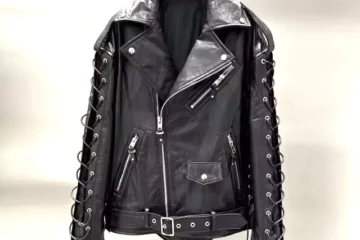
Originally designed for protection, this style has been refined for everyday wear. Strong zippers and structured silhouettes have been retained for durability.
2. Racer-Inspired Design
Minimalist detailing has been used to create a sleek profile. This style has been favored for its modern appeal and lightweight construction.
3. Bomber Silhouette
Elasticated hems and cuffs have been incorporated for comfort. This design has been appreciated for its relaxed yet polished look.
4. Field-Inspired Jacket
Multiple pockets and longer cuts have been added for functionality. Practical use has been balanced with visual sophistication.
5. Shearling-Lined Option
Additional insulation has been provided through natural lining. Cold-weather protection has been enhanced without sacrificing style.
6. Distressed Finish Design
Pre-treated surfaces have been used to achieve a worn-in look. Character has been added while maintaining structural integrity.
7. Minimal Zip-Front Style
Clean lines and subtle hardware have been applied. This option has been chosen for understated elegance.
8. Tailored Leather Blazer
A refined cut has been introduced to blend formal tailoring with rugged material. This style has been used in professional settings where individuality is welcomed.
Style Considerations for Different Audiences
Casual Wear Enthusiasts
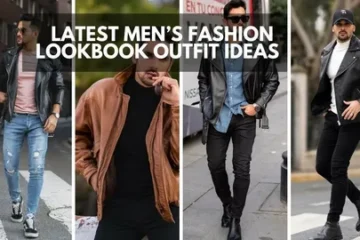
For relaxed outfits, bomber and distressed styles have been recommended. These designs have been easily paired with denim and boots.
Business-Casual Dressers
Tailored and minimalist options have been suggested. A polished appearance has been maintained without excessive formality.
Cross-Gender Appeal
Although this guide focuses on male-oriented designs, similar craftsmanship principles have also been applied in women’s Leather Jackets, where fit and proportion have been adjusted to suit different preferences.
Care and Maintenance for Long-Term Use
Cleaning Practices
Gentle cleaning methods have been advised. Harsh chemicals should be avoided to preserve natural oils.
Storage Tips
Breathable garment covers have been recommended. Proper hanging helps maintain shape.
Conditioning Routine
Periodic conditioning has been encouraged to prevent drying and cracking.
Brand Philosophy and Craftsmanship
A commitment to quality is demonstrated through thoughtful design and responsible sourcing. At Vadeblanc, craftsmanship is guided by durability, ethical production, and timeless style, ensuring that long-term value is delivered with each piece.
Final Thoughts
Longevity, timeless style, and reduced need for replacement have contributed to strong long-term value.
Leather outerwear is valued for its strength, versatility, and lasting appeal. Jackets are created using carefully selected materials and skilled construction. With proper knowledge of usage, comparison, and care, informed choices can be made for long-term satisfaction.When selected thoughtfully, a well-made leather jacket becomes more than clothing—it becomes a reliable companion over time.
Frequently Asked Questions
1. How long can a quality leather jacket last?
With proper care, a well-made leather jacket can last for decades, as natural hides age gracefully.
2. Are leather jackets suitable for everyday wear?
Yes, daily use has been supported due to durability and comfort, especially in moderate climates.
3. Can leather jackets be worn in light rain?
Light rain has been tolerated, but prolonged exposure should be avoided to prevent damage.
4. How should leather jackets be stored?
They should be stored on padded hangers in breathable covers to maintain shape.
5. Is leather outerwear heavy to wear?
Weight varies by design, but modern construction techniques have reduced bulk significantly.
6. Do leather jackets stretch over time?
Slight stretching may occur, allowing the jacket to mold comfortably to the body.
7. Can leather jackets be repaired?
Yes, professional repairs can address tears, lining issues, and hardware replacement.
8. Are leather jackets appropriate for formal settings?
Tailored designs have been accepted in business-casual and creative professional environments.
9. How often should leather be conditioned?
Conditioning is typically recommended once or twice a year, depending on usage.
10. What makes leather jackets a good investment?
Longevity, timeless style, and reduced need for replacement have contributed to strong long-term value.