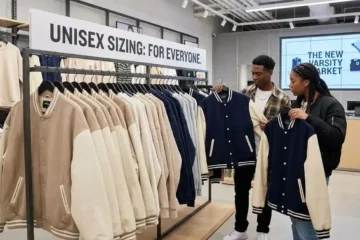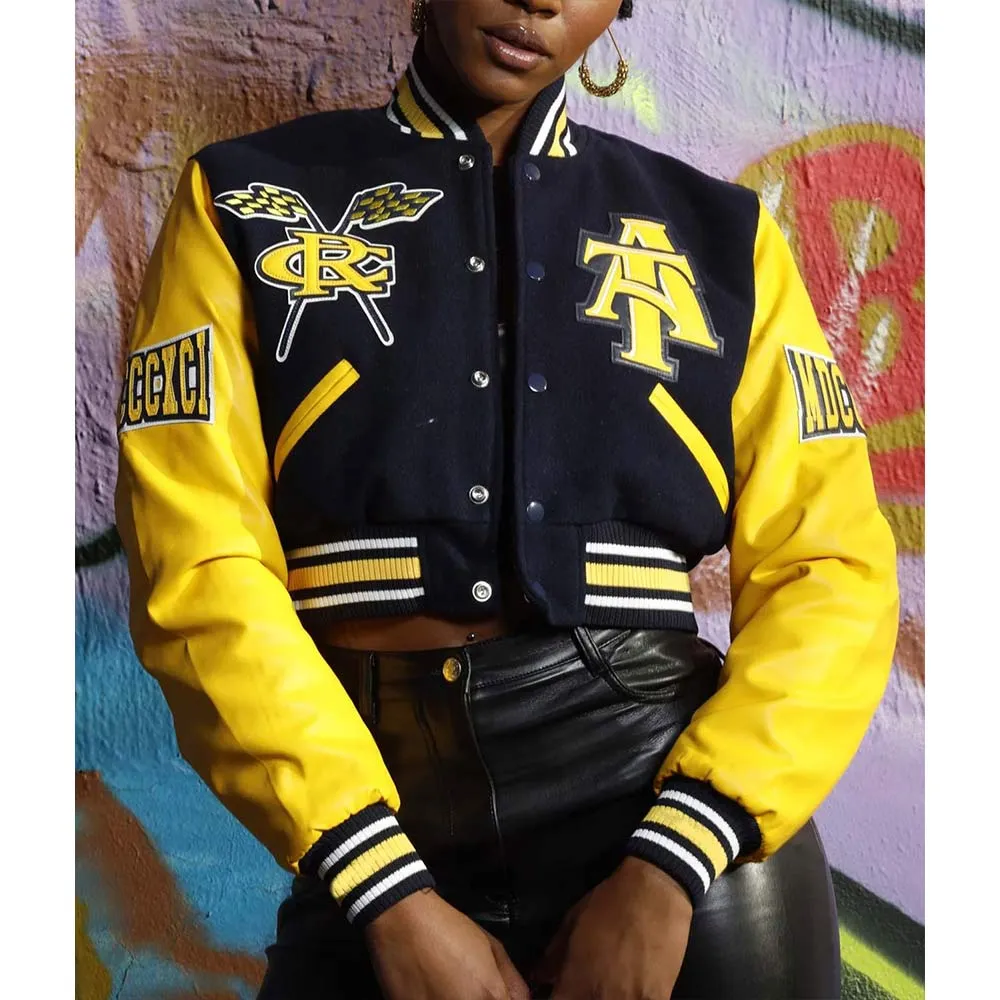
The landscape of modern fashion is being reshaped by a growing commitment to the planet. For years, the iconic silhouette of collegiate outerwear relied heavily on traditional animal hides, but a shift toward ethical materials is now well underway. If you are looking to elevate your wardrobe with a Cropped Varsity Jacket, you might notice that the latest trends emphasize compassion just as much as style. This evolution is spearheaded by labels like vadeblanc, which embrace the intersection of high-end aesthetics and environmental responsibility. By choosing innovative textiles over conventional leather, the fashion industry is proving that classic style can be maintained without compromising the well-being of our ecosystems.
The Evolution of Ethical Outerwear in Modern Streetwear
The history of the letterman jacket is rooted in tradition, but its future is being written with sustainability in mind. In the past, the prestige of a jacket was often measured by the weight of its leather sleeves. Today, prestige is increasingly defined by a brand’s carbon footprint and its treatment of animals.
Why the Shift to Vegan Materials Matters
Environmental concerns are no longer niche; they are central to the global fashion conversation. Traditional leather production is frequently associated with high water consumption and the use of harsh chemicals during the tanning process. By transitioning to plant-based or recycled alternatives, designers are able to offer the same rugged texture and durability that enthusiasts crave, but with a significantly lower environmental impact.
Defining the Sustainable Aesthetic
Sustainability does not mean a sacrifice in “cool.” In fact, many eco-friendly leather alternatives offer a more uniform finish and better resistance to moisture than their animal-derived counterparts. This makes them ideal for the fast-paced, urban lifestyle where streetwear is most at home.
Exploring Innovative Eco-Friendly Leather Alternatives
When searching for Cropped Varsity Jacket ideas, the variety of materials available today is truly impressive. Science and nature have collaborated to produce textiles that look, feel, and age like premium leather.
Pineapple Leather (Piñatex)
One of the most popular substitutes is derived from pineapple leaf fibers. This material is a byproduct of existing agriculture, meaning no extra land or water is required for its production. It offers a unique, slightly crinkled texture that adds character to any streetwear piece.
Mushroom Leather (Mycelium)
Mycelium is the root structure of mushrooms, and it can be grown in labs to create a dense, durable material. It is biodegradable and incredibly efficient to produce, making it a favorite for brands focusing on a circular fashion economy.
Recycled Plastics and Bio-Polyurethanes
Not all alternatives are plant-based. High-quality recycled plastics are often repurposed into sleek, water-resistant coatings that mimic the sheen of polished leather. These materials are prized for their longevity and ease of maintenance.
Styling Your Sustainable Silhouette
Integrating eco-friendly pieces into a daily rotation is simpler than it might seem. The versatility of varsity fashion allows for a wide range of creative expressions.
Casual Daywear
For a relaxed look, a sustainable jacket can be paired with organic cotton hoodies and recycled denim. The contrast between the structured sleeves and soft knitwear creates a balanced, modern vibe.
Elevated Nightlife
Sustainable streetwear can also be dressed up. A sleek, black eco-leather varsity jacket looks stunning over a monochromatic midi dress or tailored trousers. The key is to let the textures speak for themselves.
Maintenance and Longevity: Cropped Varsity Jacket Repair Tips
To ensure that your sustainable garments last for decades, proper care is essential. Unlike traditional leather, which requires specific oils, many synthetic and plant-based alternatives have unique needs.
Routine Cleaning
Most eco-friendly alternatives can be wiped down with a damp cloth and mild soap. Harsh chemicals should be avoided, as they can break down the bio-based coatings over time.
Addressing Scuffs and Tears
When considering Cropped Varsity Jacket repair tips, it is important to act quickly. Small snags in synthetic sleeves can often be secured with specialized textile adhesives. For plant-based leathers, professional cobblers who specialize in vegan materials are often the best resource for seamless repairs.
Storage Wisdom
To prevent cracking or peeling, jackets should be stored on wide, padded hangers in a cool, dry place. Direct sunlight should be avoided during long-term storage to prevent the fading of sustainable dyes.
The Future of Varsity Fashion: A Circular Approach
The goal of sustainable fashion is to move away from the “take-make-waste” model. Future varsity designs are expected to be fully recyclable, meaning that once a jacket reaches the end of its life, its components can be broken down and birthed into something new.
-
Biodegradable Components: Buttons made from corozo nuts or recycled metals.
-
Linings: Organic silk or recycled polyester.
-
Ribbing: Tightly woven organic cotton or hemp.
Final Thoughts
The journey toward a more sustainable fashion industry is a marathon, not a sprint. By choosing eco-friendly leather alternatives, consumers are sending a powerful message to the market: style and ethics are no longer mutually exclusive. Whether you are drawn to the rugged charm of pineapple leather or the high-tech appeal of mycelium, your choices contribute to a cleaner, kinder world. Varsity fashion has always been about identity and belonging; today, it is also about belonging to a movement that honors the planet.
Frequently Asked Questions (FAQs)
1. Is vegan leather more durable than real leather?
High-quality eco-friendly alternatives are designed to be extremely durable. While they may age differently than animal hide, many are more resistant to water and scratches, ensuring a long lifespan with proper care.
2. How can I tell if a jacket uses sustainable materials?
Labels should be checked for certifications like GRS (Global Recycled Standard) or PETA-Approved Vegan. Transparency regarding material sourcing is a hallmark of ethical brands.
3. Does pineapple leather smell like fruit?
No, after the processing and finishing stages, Piñatex does not retain the scent of pineapples. It has a neutral, clean scent similar to other processed textiles.
4. Can I wash my eco-friendly varsity jacket in a machine? Machine washing is generally discouraged for structured outerwear. Spot cleaning or professional eco-friendly dry cleaning is usually recommended to preserve the jacket’s shape.
5. Are plant-based leathers biodegradable?
Many are, particularly those made from mycelium or cactus. However, some may be blended with a small amount of synthetic binder for durability, so it is best to check the specific material composition.
6. Why is sustainable streetwear often more expensive?
Higher costs are often attributed to fair labor practices, the use of innovative, low-crop materials, and smaller production runs that prioritize quality over quantity.
7. Can I use traditional leather conditioner on vegan alternatives?
No, traditional conditioners are made for animal skin. Specialized vegan leather conditioners or simple damp cloths are much safer for synthetic and plant-based materials.
8. Is “Pleather” the same as sustainable leather?
Not necessarily. Older “pleathers” were often made from PVC, which is harmful to the environment. Modern sustainable alternatives focus on recycled materials or bio-based sources.
9. How should I style a cropped fit?
High-waisted trousers or skirts are perfectly complemented by a cropped hemline. This creates a flattering silhouette that highlights the waist while maintaining a sporty edge.
10. Where can I find more Cropped Varsity Jacket ideas?
Fashion blogs, Pinterest, and the lookbooks of sustainable brands are excellent sources for styling inspiration that stays true to eco-friendly values.